
Recycled Asphalt Paving for Durable Surface Renewal
Reuse asphalt materials to create practical, durable pavement surfaces.
Understanding Recycled Asphalt and Its Process
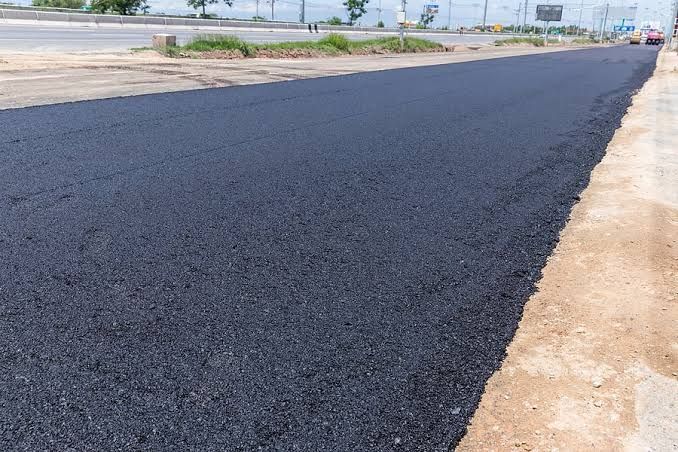
Recycled asphalt is pavement material that has been removed, processed, and prepared for reuse in new paving work. Instead of sending usable asphalt material to waste, it can be collected and processed into material that can be used again. The process starts with removing existing asphalt from a pavement area through milling or other removal methods. The recovered material is then transported for processing, where it is crushed and screened to create a more consistent size. Any unwanted materials are separated during processing.
The recycled asphalt can then be blended with other suitable materials, depending on the planned paving application. Before use, the material is checked to ensure it is suitable for the intended work. During installation, the recycled asphalt mixture is placed over a prepared surface and spread evenly. It is then compacted to create a stable and consistent pavement layer. Proper compaction is important because it helps the material hold together and support regular use.
At Custom Asphalt Paving, recycled asphalt solutions in Springfield, OH, focus on proper material preparation, suitable placement, and careful compaction. Reusing asphalt can reduce material waste while creating a practical surface for suitable paving applications. With proper preparation and installation, recycled asphalt can provide a durable option for pavement maintenance and surface improvement.
Practical Benefits of Recycled Asphalt
At Custom Asphalt Paving, recycled asphalt focuses on proper material handling, preparation, placement, and compaction. Old pavement contains usable material that can be processed and reused instead of discarded.
♻️
Material Reuse:
Recycled asphalt gives previously used pavement material another purpose, helping reduce unnecessary waste from paving projects.
🛣️
Durable Surface:
Properly placed and compacted recycled asphalt can create a stable surface that supports regular use and routine maintenance.
💰
Practical Material Choice:
Reusing suitable asphalt can provide a cost-conscious option while making use of existing pavement materials.
🌱
Reduced Waste:
Recycling asphalt helps limit the amount of old pavement sent to disposal sites and supports more efficient material use.
🔧
Flexible Application: Recycled asphalt can be used in suitable paving and maintenance applications where the existing conditions support its use.
Recycling asphalt helps reduce waste and make better use of existing paving materials. What sets Custom Asphalt Paving
apart is attention to the recycled material before placement. Proper processing removes unwanted debris and prepares the asphalt for use. Grading and compaction help create a stable surface with consistent coverage. Recycled asphalt is not suitable for every paving situation, so site conditions should be considered. In Springfield, OH, Custom Asphalt Paving
focuses on suitable materials and careful application. For recycled asphalt solutions, contact Custom Asphalt Paving
at (937) 561-7733.
From Reclaimed Pavement to New Surface
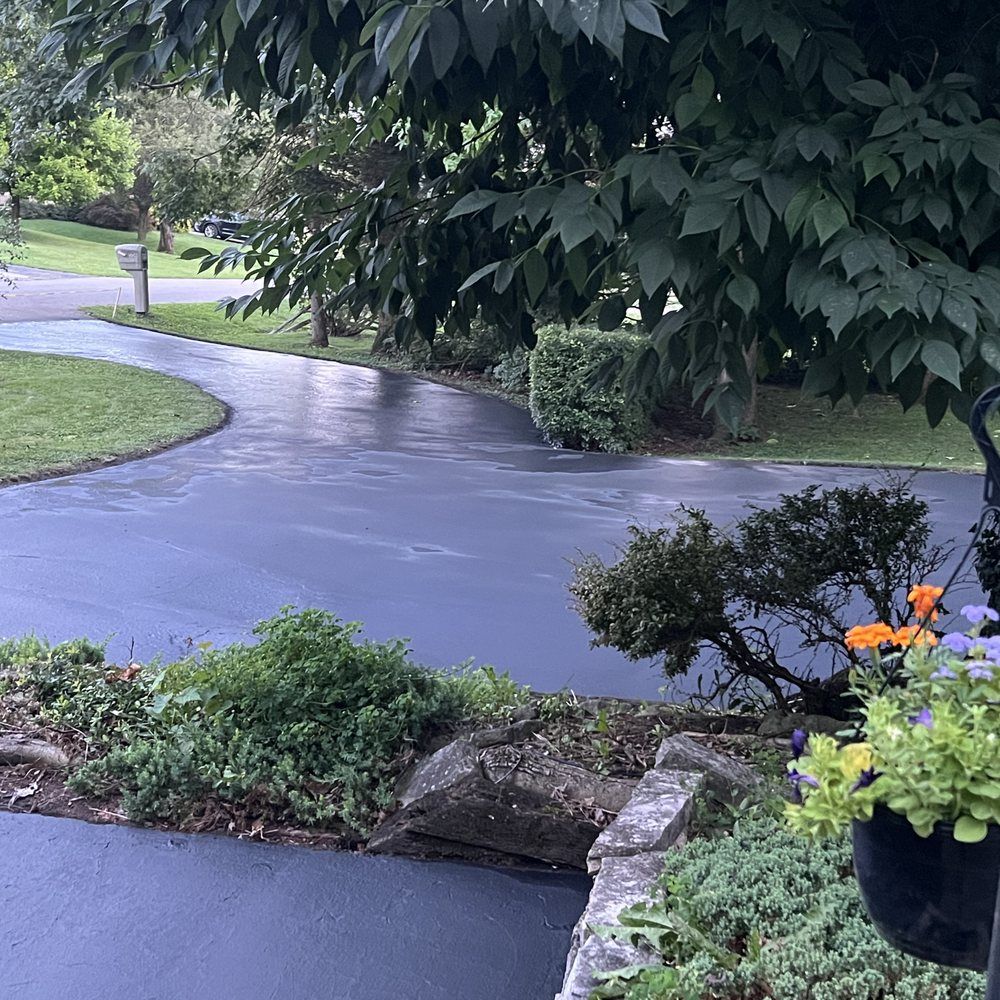
Recycled asphalt begins with recovering usable pavement material from an existing surface. Asphalt may be removed through milling or other approved methods, then collected for processing. During processing, the material is crushed and screened to create a more consistent mixture. Unwanted debris and unsuitable materials are separated so the recycled asphalt can be used for an appropriate paving application. Once prepared, the material is transported to the work area or blended with other materials when needed. Before placement, the surface is checked and prepared to provide stable support.
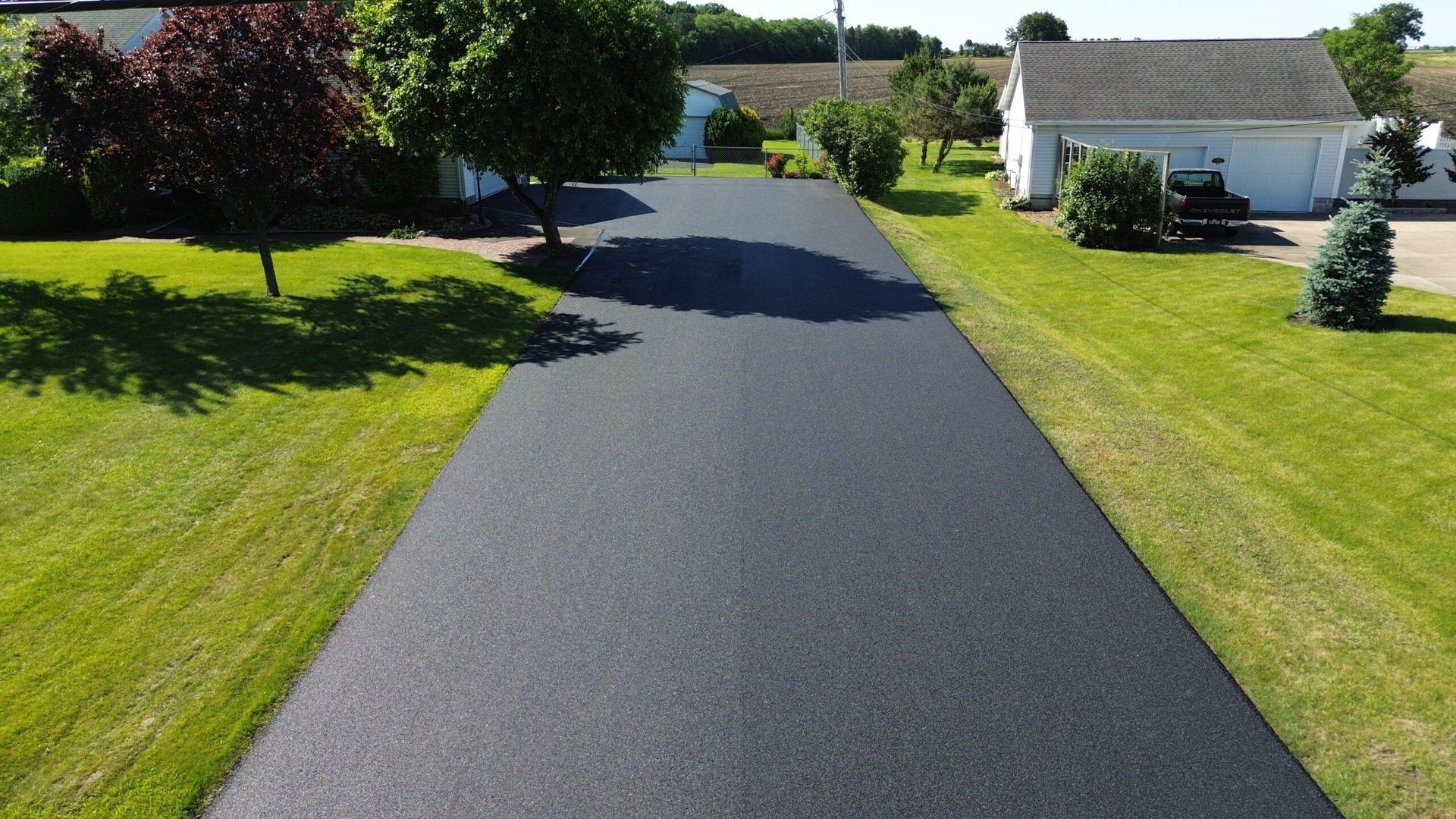
The recycled asphalt is then spread across the prepared area at a suitable depth. Proper grading helps create an even surface, while compaction presses the material together to improve stability and reduce loose areas. Multiple passes may be used to achieve the desired firmness. After installation, the surface should be monitored for changes, drainage concerns, and areas that may need maintenance.
At Custom Asphalt Paving, recycled asphalt work in Springfield, OH, focuses on proper preparation, even placement, and thorough compaction. Reusing suitable asphalt can help reduce waste while creating a practical paving surface. When the material and site conditions are appropriate, recycled asphalt can support pavement maintenance and surface improvements. For dependable recycled asphalt solutions, contact Custom Asphalt Paving
at (937) 561-7733